
Low liquor ratio dyeing machines cut water usage dramatically. Newer models achieve a 44% water saving versus older 8:1 systems, while optimized machines show a 19% reduction in water. How do these savings translate across steam, chemical, and energy costs? The low liquor ratio method lowers chemical cost too. This analysis examines each resource area across reactive, disperse, acid, and direct dyeing processes.
Key Takeaways
- Low liquor ratio dyeing machines cut water use by up to 44% compared to older systems, leading to significant savings in steam, chemicals, and energy.
- These machines reduce chemical and energy costs without requiring changes to existing dye formulas, making them a cost-effective upgrade for textile manufacturers.
- To maximize savings, match the machine type to your fabric and control dyeing parameters carefully, as different fabrics and dyes require specific conditions.
Understanding Liquor Ratio and Its Impact on Resources
What Is Liquor Ratio and Why It Matters
Liquor ratio describes the relationship between textile weight and dye liquor volume. A 1:10 ratio means ten liters of dye liquor per kilogram of fabric. This measurement determines resource consumption throughout the entire dyeing process.
Several factors make liquor ratio a critical parameter:
- Water consumption scales directly with liquor volume. Higher ratios generate more wastewater.
- Chemical and dye quantities depend on total liquor volume.
- Energy demand rises because heating larger water volumes requires more steam.
- Process uniformity depends on proper circulation, which liquor ratio influences.
- Processing cost includes water, chemicals, energy, and effluent treatment.
Traditional exhaust dyeing machines operate at high ratios between 1:15 and 1:30. Modern jet and airflow machines achieve low liquor ratio levels from 1:5 to 1:8. Older conventional machines typically run at 8:1. A modern low liquor ratio dyeing machine operates at 4.5:1. This difference represents approximately 44% less water per kilogram of fabric.
How Liquor Ratio Affects Water, Steam, Chemical, and Energy Use
Water heating accounts for most energy consumption in wet processing. Reducing liquor volume directly cuts water and energy use while shrinking wastewater volume. A liquor ratio reduction from 10:1 to 5:1 does not change the amount of dyes and chemicals required. However, the total water volume for treatment drops by over 65%. This smaller volume consequently lowers steam requirements for heating. The washing operation no longer needs steam, and drying energy decreases as well.
The impact varies across dye categories. Reactive dyeing of cotton benefits from reduced hot rinses. Polyester disperse processes achieve major energy savings. Acid and direct dyes require careful parameter control to maintain shade consistency.
This water reduction translates directly into operational savings. Lower water volume means less effluent treatment, reduced chemical consumption, and improved energy efficiency. Adopting low liquor ratio technology requires evaluating machine design, fabric type, and process requirements. For textile manufacturers, understanding these relationships helps determine whether a low liquor ratio dyeing machine fits their production profile.
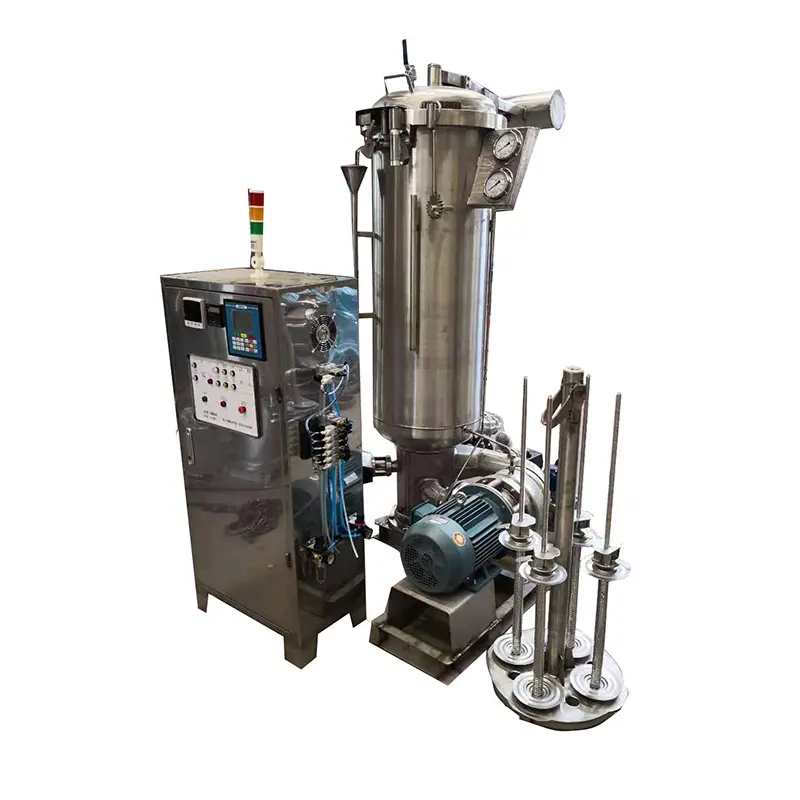
Quantifying Savings: Low Liquor Ratio vs Conventional
Water and Steam Savings
The most direct impact of a low liquor ratio appears in water consumption. Conventional winch machines operate at a 1:15 liquor ratio and consume 15,000 liters of water per ton of fabric. Soft flow machines running at 1:6 require 6,000 liters per ton. Airflow dyeing, with a ratio of 1:3.5, uses only 3,500 liters per ton. The data shows a clear pattern: a lower liquor ratio directly reduces water volume. Cutting bath volume from 1:15 to 1:5 can reduce steam demand for heating the same batch by nearly 60 percent. This steam reduction is a direct result of less water needing to be heated. For a manufacturer processing multiple batches daily, these water savings accumulate quickly. The total water reduction across a year becomes substantial. Modern low liquor ratio machines achieve typical water savings of 40 to 75 percent compared to conventional methods. Each reduction in liquor ratio amplifies these savings. The relationship between liquor ratio and water and energy use is linear. A smaller liquor ratio means less water to heat and less steam to generate. The cost of water and steam drops accordingly.
Chemical and Energy Savings
Chemical consumption also decreases with a low liquor ratio. Dye and auxiliary chemicals are dosed based on total liquor volume. When the volume drops, the amount of chemicals required for each batch drops proportionally. For reactive dyeing, this means less salt and alkali. For disperse dyeing, the savings extend to carriers and dispersing agents. The chemical cost per kilogram of fabric falls noticeably. At a low bath ratio, the energy consumption is significantly lower than conventional ratios, with substantial reductions in heating requirements. The energy usage reduction comes from heating less water and from shorter processing cycles. The machine runs fewer heating and cooling steps. The overall efficiency of the process improves. These savings do not require changing existing dye formulas. The low liquor ratio dyeing machine achieves these reductions while maintaining shade consistency. The total cost savings from combined water, steam, chemical, and energy reductions can be substantial. For a typical polyester yarn dyeing operation, the return on investment can be rapid. Each resource reduction contributes to a lower overall cost per batch. The savings across multiple batches compound over time. The efficiency gains also lower labor costs because automation handles the process. The reduction in water and chemical use also reduces effluent treatment costs. This makes low liquor ratio technology a comprehensive solution for sustainable textile production.
The Low Liquor Ratio Dyeing Machine and Process Performance
Reactive Dyeing: Maximum Savings
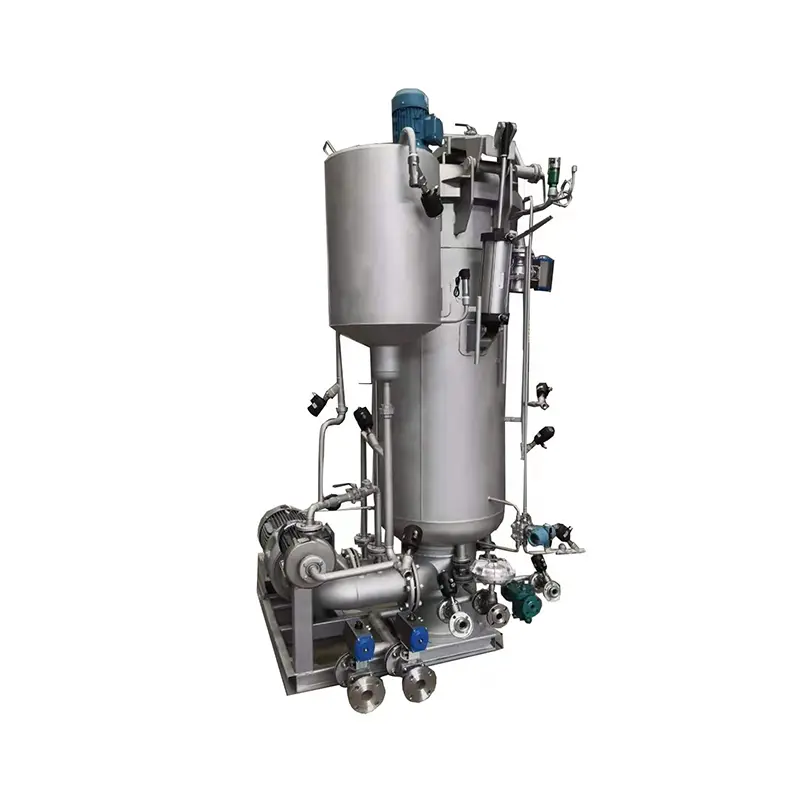
Reactive dyeing of cellulosic fibers delivers the most dramatic resource savings with low liquor ratio technology. A high-temperature, high-pressure bobbin dyeing machine operating at an ultra-low 1:3 bath ratio exemplifies this potential. This configuration reduces steam and chemical use substantially without requiring changes to existing dye formulas. The smaller liquor volume demands less salt and alkali per batch, directly lowering chemical cost. Water consumption drops proportionally, shrinking effluent treatment expenses as well.
The machine’s construction supports consistent performance across repeated cycles. Full stainless steel contact parts resist corrosion from reactive dye chemicals, preventing contamination between batches. A PLC-controlled dosing system automates chemical additions with precision. This automation eliminates manual measurement errors that often cause shade variation. The PLC maintains optimal parameters throughout the dyeing cycle, reinforcing process consistency. Stainless steel pneumatic valves, sized appropriately for flow requirements, provide reliable operation under high temperature and humidity conditions.
Disperse, Acid, Direct Dyeing Considerations
Disperse dyeing of polyester yarn benefits significantly from low liquor ratio operation. Lowering the bath ratio from conventional levels of 1:8–1:15 down to 1:4–1:6 directly boosts dye exhaustion onto polyester fibers. The low ratios achievable with advanced bobbin dyeing machines maximize this effect. However, this benefit depends on careful dispersion control. Operators must implement top-up additions during the dye cycle to prevent unevenness or precipitation of disperse dye. The PLC system supports this requirement through programmable dosing sequences.
Acid dyeing of nylon and wool presents different challenges. Liquor ratio control improves the leveling effect, but other parameters demand equal attention. The dyeing process typically starts at 40°C and rises slowly to boiling over approximately 45 minutes. Above 80°C, the dyeing rate accelerates sharply, requiring slower heating to prevent unlevelness. Dye liquor circulation rate and concentration interact with bath ratio to determine final levelness. Dyeing time and dye compatibility also influence outcomes. The machine’s transducer, designed specifically for dyeing applications, maintains precise temperature control through these critical phases.
Direct dyeing follows patterns similar to reactive processes. The reduction in water volume directly cuts chemical requirements. Shorter processing cycles result from faster heating and cooling. Energy consumption for a low ratio is substantially lower than conventional ratios, with significant reductions in heating requirements. The combined effect delivers measurable savings across every resource category. Each dye class requires specific parameter adjustments, but the underlying efficiency gains remain consistent. The low liquor ratio dyeing machine achieves these reductions while maintaining shade consistency through automated process control.
Factors Influencing Savings and Sustainable Textile Dyeing
Machine Design and Fabric Type
Machine design determines the savings potential of low liquor ratio operation. Circulation uniformity, nozzle geometry, and chamber design influence resource consumption. Proper circulation prevents local concentration spikes. This enables stable low-ratio operation. Nameplate pump capacity alone does not guarantee performance.
Fabric type dictates the appropriate machine configuration. The table below shows how fabrics require specific flow types and liquor ratios.
| Machine Type | Liquor Ratio | Flow Type | Best For |
|---|---|---|---|
| Jet Dyeing | 1:5 – 1:8 | High turbulent | Polyester & blends |
| Soft Flow Dyeing | 1:6 | Gentle flow | Knits, delicate fabrics |
| Jigger Dyeing | Varies | Reversing movement | Woven cotton & linen |
| Package Dyeing | Varies | Through core | Yarn & hosiery |
Delicate knits require a gentle flow system with ratios between 1:5 and 1:8. Synthetic fibers like polyester demand high turbulent flow at 1:5 to 1:8. Matching machine design to fabric type maximizes water and energy use reductions. Each liquor ratio reduction amplifies the overall savings. The cost of water and chemicals drops. The efficiency of the dyeing process improves with proper machine selection.
Process Control and Dye Selection
Dye selection plays a critical role in low liquor ratio effectiveness. Dye solubility, substantivity, and diffusion coefficient interact with bath volume. Higher substantivity leads to lower diffusion and increased unlevelness risk. Better solubility enables easier diffusion into fibers. At low liquor ratios, less electrolyte is needed for the same exhaustion.
The table below summarizes key factors.
| Factor | Effect on Low Liquor Ratio Dyeing Effectiveness |
|---|---|
| Higher dye substantivity | Lower solubility, higher exhaustion, lower diffusion, increased unlevelness risk |
| Lower liquor ratio | Increases substantivity, exhaustion, and color strength |
| Better solubility | Improves diffusion and leveling |
| Higher electrolyte | Increases exhaustion, decreases diffusion; less needed at low ratios |
| Higher temperature | Reduces substantivity, improves diffusion and leveling |
| Higher diffusion coefficient | Improves leveling, critical at low ratios |
Process control must account for these factors. The cycle requires precise temperature ramps and dosing schedules. Water recycling systems further reduce consumption. Some facilities pursue zero liquid discharge through water efficiency projects. These recycling efforts require careful planning. Proper dye selection and process control make low liquor ratio operation reliable. The approach delivers consistent quality while reducing water use.
Low liquor ratio technology delivers clear advantages. Water use reduction is substantial. Water savings reduce water costs. Water recycling programs improve efficiency. These savings depend on dye chemistry recycling methods. The reduction in water chemical cost requires optimization. Low liquor ratio dyeing machine is not a universal solution. Evaluate current ratio. Pilot testing dyeing process reduces cost.
FAQ
How quickly can a facility recover the investment in a low liquor ratio machine?
Most manufacturers see rapid payback through combined reductions in water, steam, chemicals, and energy. A low bath ratio, such as 1:3.5, cuts heating requirements substantially. Lower effluent treatment costs accelerate the return further.
Does switching to low liquor ratio dyeing require new dye formulas?
No. The machine achieves savings without altering existing dye formulas. Process parameters require adjustment, but the chemistry remains unchanged. PLC-controlled automation maintains shade consistency throughout the transition.
Can water recycling integrate with low liquor ratio dyeing systems?
Yes. Water recycling complements low liquor ratio operation effectively. Facilities pursuing zero liquid discharge combine both approaches. Reduced water volume simplifies treatment and reuse. This integration lowers overall water consumption and supports sustainable dyeing operations.
Post time: Sep-04-2026