
Synthetic fibers like polyester demand an hthp dyeing machine. Natural fibers such as cotton work with atmospheric equipment. High-temperature high-pressure dyeing uses elevated temperature and pressure to force dye deep into fibers. Atmospheric dyeing operates at lower levels. The wrong machine causes poor dye penetration, uneven color, fiber damage, and wasted energy.
Key Takeaways
- Choose an HTHP dyeing machine for synthetic fibers like polyester. It uses high heat and pressure to create deep, even color.
- Atmospheric dyeing machines work well for cotton, linen, wool. These gentle conditions protect natural fibers. They deliver reliable results.
- Blended fabrics need extra attention. Start with the fiber mix. An HTHP machine can handle many blends. Compare costs and production needs before buying.
HTHP Dyeing Machine vs Atmospheric: Key Differences
Temperature, Pressure, and Dye Penetration
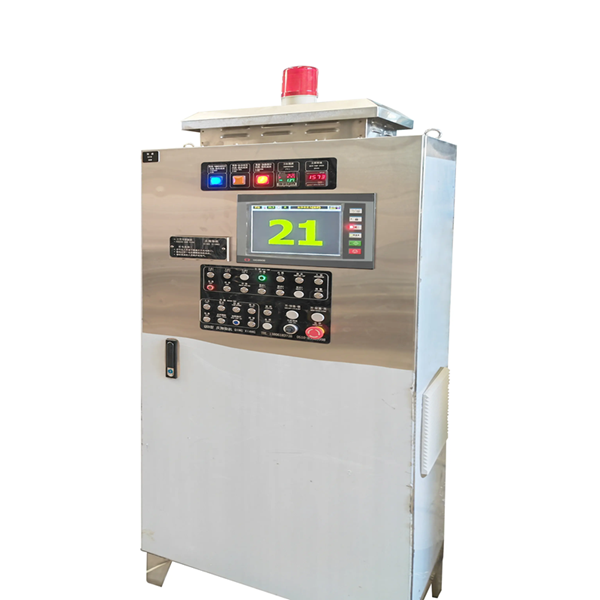
An HTHP dyeing machine operates above 130°C for demanding synthetic fibers. Atmospheric dyeing systems work below 100°C. Higher operating temperatures and pressure swell the fiber structure. This swelling allows dye molecules to penetrate deeper. The result is uniform color and excellent shade levelness. For conventional polyester, dye at 130°C achieves maximum strength. This temperature level ensures adequate fiber swelling and dye uptake. Modified polyester like PCP requires 110–120°C for optimal color development. At 130°C, color strength may decline for PCP. PET/spandex blends also dye optimally at 130°C, but above that risk spandex degradation. Using an atmospheric system for polyester results in pale shades and poor wash fastness. The control system of the HTHP dyeing machine ensures processing consistency. This precision improves quality and reduces variation. The dyeing process benefits from this controlled environment. The HTHP design also cuts water usage compared to atmospheric methods. Higher pressure and automation maintain accuracy throughout the dyeing process. Better dye penetration leads to higher fastness and fewer reworks. Pressure levels in HTHP systems can reach several bar, forcing the dye liquor into fiber interstices that atmospheric pressure cannot access. This mechanism ensures that even high-denier or tightly twisted yarns achieve full penetration. Dye cycles in HTHP equipment are shorter due to rapid diffusion kinetics at elevated temperatures, increasing overall productivity.
Fabric Suitability and Cost
Atmospheric dyeing systems suit natural fibers like cotton, linen, and wool. These fibers cannot withstand elevated heat. Processing cotton and other natural materials at gentle conditions preserves fiber integrity. HTHP dyeing systems excel with synthetics and some blends. They handle polyester, nylon, and spandex with efficiency. The initial investment for an HTHP system is higher. However, reduced water consumption and faster processing offset the cost over time. For small bath ratios, HTHP systems offer greater efficiency. Larger operations benefit from faster cycles and lower utility costs. The precision of HTHP systems reduces labor expenses and rework rates. Over the equipment lifespan, the return on investment often justifies the initial premium. Batch uniformity is higher with HTHP systems, reducing the need for shade corrections. For sample production, HTHP equipment provides accurate reproduction of production conditions. The choice depends on the fiber type and production scale. A mistake in equipment selection leads to poor results and wasted resources. Understanding these requirements is essential. The decision should prioritize fiber compatibility first, then cost and production volume.
Synthetic Fibers: HTHP Required
Polyester, Nylon, and Spandex
Synthetic fibers demand high-temperature high-pressure conditions for successful dyeing. If you dye 100% polyester, an hthp dyeing machine at 130°C is non-negotiable. A standard recipe includes disperse dye at 1%, wetting agent at 1 gpl, dyeing assistants at 0.5 gpl, and acid at 0.5 gpl. The temperature rises to 130°C and holds for one hour with a material-to-liquor ratio of 1:20. This heat raises the fiber above its glass transition point. The fiber structure swells, allowing disperse dye molecules to diffuse deeper. The result is excellent color penetration and uniform shade.
The dyeing process in an HTHP system follows a controlled sequence. The machine maintains the bath at pH 4.5 for optimal dye fixation. A reduction clearing step removes unfixed dye from the fiber surface. This dyeing method produces superior wash fastness and levelness. For nylon yarn, high temperature and high pressure ensure adequate dye uptake. Spandex also benefits from controlled HTHP processing to avoid thermal degradation.
What Happens with Atmospheric Dyeing
Atmospheric machines operate below 100°C. For synthetic fibers, this is too low. The fiber structure does not swell enough for dye molecules to enter. The dye remains on the fiber surface rather than penetrating the interior. This surface deposition leads to pale shades and poor wash fastness. The washout after cleaning occurs quickly. Uneven distribution happens because the dye liquor cannot access tight fiber interstices without pressure.
For cotton fabric, an atmospheric system works well. For synthetics, it fails completely. Studies confirm that HTHP dyeing is superior to carrier-based methods for polyester. The precise control in an HTHP system ensures consistent results. Without these conditions, rework rates climb and quality drops. Proper HTHP processing is the only reliable choice for synthetic fibers.
Natural Fibers: Atmospheric Dyeing
Cotton, Linen, and Wool
Natural fibers such as cotton, linen, and wool require gentle treatment conditions. Cotton cannot withstand the elevated heat of an HTHP system. An atmospheric machine operates below 100°C for cotton dyeing. This lower temperature preserves cotton fiber integrity. Cotton absorbs dye readily at these standard conditions. Linen follows a pattern similar to cotton. Wool demands more care than other natural fibers due to heat sensitivity. An atmospheric system provides the necessary control for processing cotton yarn. This equipment maintains stable conditions throughout the dyeing cycle. This consistency ensures even color uptake across the entire batch. Using these materials in such a system delivers reliable outcomes. The lower operating temperatures protect each fiber from thermal stress. The atmospheric process maintains the natural hand feel of these textiles without causing fiber degradation.
When to Consider HTHP Anyway
Some situations justify using an HTHP machine for natural fibers. The most common case involves blended fabrics. A polyester/cotton (P/C) blend often uses a one-bath two-step method for dyeing both components. In this process, disperse dye applies at high temperature while the cotton is present. The cotton must withstand the HTHP conditions during this first dyeing stage. This approach requires careful reactive dye bath management to achieve even results. Synthetic-natural blends beyond P/C also benefit from this dyeing technique. The equipment must accommodate both fiber types. Functional fabrics present another scenario. Materials with moisture-wicking or UV protection properties often need precise dyeing conditions. The HTHP method delivers the accuracy these specialty finishes demand. These specialty materials require precise temperature profiles that only an HTHP system can deliver reliably. The processing parameters require careful calibration. Operating temperatures and pressure levels need adjustment for each component. The equipment handles these requirements efficiently.
Blended Fabrics: The Middle Ground
Polyester-Cotton and Common Blends
Blended fabrics combine fibers with different dyeing requirements. A polyester-cotton blend contains synthetic and natural components in one fabric. The polyester portion needs high temperature to swell and accept disperse dye. The cotton portion dyes well at lower temperatures with reactive dyes. This conflict makes blended fabrics the middle ground in machine selection. An HTHP dyeing machine can process both fiber types in a single bath. The elevated temperature opens the polyester structure while the cotton accepts dye at the same time. This one-bath approach saves time and reduces water use. However, the cotton component must withstand the higher temperature without damage. Most cotton fibers tolerate short exposure to elevated heat during processing. The result is even color across both fiber types. Without proper conditions, one fiber dyes while the other remains pale. This uneven result creates a visible heather effect that most buyers reject.
Carrier-Assisted Dyeing and Specialized Conditions
Carrier-assisted dyeing offers another path for polyester-cotton blends. A chemical carrier swells the polyester fiber at lower temperatures. This allows atmospheric machines to dye the synthetic portion without high heat. The cotton dyes simultaneously with reactive dyes in the same bath. This method works well for delicate blends that cannot tolerate high heat. However, carriers add cost and require careful handling. Residual carrier on the fabric can affect colorfastness and hand feel. Specialized HTHP conditions remain the preferred approach for most blends. The machine must control temperature ramp rates precisely. Rapid heating causes uneven dye uptake between the two fiber types. Slow cooling prevents thermal shock to the cotton component. Each blend ratio requires different processing parameters. A 50/50 blend behaves differently than a 65/35 blend. The control system must adapt to these variations. Proper machine selection ensures consistent results across the entire batch.
Yarn Dyeing Machine Applications
HTHP Nylon Yarn Dyeing Machine
The HTHP Nylon Yarn Dyeing Machine is a versatile solution for both small bath ratio and conventional internal/external dyeing. This yarn dyeing machine handles polyester, polyamide, cotton, wool, linen, and various blended fabrics. It also supports processes like dyeing, cooking, bleaching, and cleaning. The yarn dyeing machine supports air cushion or full-flush configurations. Models range from QD-20 to QD-200.
Key specifications of this yarn dyeing machine include:
- Ultra low MLR of 1:3
- Maximum design pressure of 5 bar
- Maximum design temperature of 140°C
- Batch sizes from 20 kg to 720 kg
- Electric load from 3.5 kW to 34 kW
The heating gradient runs from 25°C to 130°C at approximately 5°C per minute. Cooling goes from 130°C to 85°C at roughly 3.5°C per minute. This yarn dyeing machine delivers consistent results across every batch. The control system supports full automation for repeatable outcomes. Automated dosing systems reduce manual intervention during processing. These automated dosing systems improve accuracy and reduce waste. The yarn dyeing machine also features a pipeline-type water pump and an X-plate positive/negative circulation commutator. This design ensures uniform dye penetration for every yarn package.
Lace, Zippers, and Elastic Materials
This yarn dyeing machine excels beyond standard textile applications. It processes lace, zippers, zipper belts, and elastic materials with equal efficiency. The yarn dyeing machine adapts to these diverse materials through its flexible configuration options. Air cushion and full-flush settings allow operators to match conditions to each material type. The yarn dyeing machine maintains consistent quality across all these applications. This flexibility makes the yarn dyeing machine a valuable asset for mills handling mixed production schedules. The yarn dyeing machine supports both small bath ratio and conventional dyeing methods. This dual capability allows one yarn dyeing machine to serve multiple production lines. The yarn dyeing machine reduces the need for separate equipment across different product categories. The yarn dyeing machine handles dyeing, cooking, bleaching, and cleaning tasks in one unit. This versatility improves operational efficiency and reduces floor space requirements.
Decision Matrix: Machine Selection
Fiber Type, Fabric Construction, and Colorfastness
Fiber type is the first checkpoint in any machine selection. Polyester, polyester-cotton blends and other synthetic fibers require temperatures of 130–140 °C, which means a pressure vessel rated to 4–6 bar with full PED 2014/68/EU certification. Cotton, wool and most natural fiber dyeing runs at or below 98 °C and can be handled in atmospheric designs at a lower capital cost and with a simpler certification scope.
Fabric construction adds a second layer of complexity. An overflow machine transports fabric more gently using a liquor overflow cascade, making it better suited to delicate or open-structure knit fabrics prone to distortion or surface damage. Dense woven fabrics tolerate higher tension and faster circulation. The hthp dyeing machine suits tightly constructed synthetics that need pressure-driven penetration.
Desired colorfastness drives the final technical requirement. High wash fastness demands deep dye penetration, which favors high-temperature processing. Moderate fastness requirements allow atmospheric methods for natural fibers. The stage of textile processing matters here. Yarn dyeing before weaving differs from piece dyeing after construction. The end-use of the product determines the fastness standard. Automotive textiles need maximum shade repeatability. Fashion fabrics may accept broader tolerances.
Budget, Production Scale, and Energy Efficiency
Budget shapes the equipment tier. Atmospheric machines carry lower upfront costs. HTHP systems demand higher initial investment but reduce water consumption significantly. Production scale determines the payback period. High-volume operations recover the premium faster through reduced utility costs and fewer reworks.
Energy-efficient machines lower operating expenses across the equipment lifespan. Automation supports consistency by reducing human error during dyeing. Automated dosing and PLC control improve accuracy for every batch. These systems also enhance shade levelness across the full production run.
A practical checklist guides the final decision:
- Fiber type: synthetic, natural, or blend
- Fabric construction: woven, knit, or open structure
- Colorfastness target: wash, light, or rub
- Budget: capital cost versus operating cost
- Production scale: batch size and daily throughput
- Energy profile: water, steam, and power consumption
The choice depends on the stage of textile processing and the end-use of the product. A mill dyeing polyester yarn for automotive upholstery needs different equipment than one processing cotton knit for apparel. Color accuracy requirements tighten as the end-use demands greater precision. The machine must match the fiber first, then the fabric, then the performance target. This sequence prevents costly mismatches. It also ensures that quality remains consistent from the first batch to the last. Process control and automation deliver maximum shade repeatability when the equipment aligns with the material. Following this matrix reduces color discrepancies and protects the investment.
The core rule remains clear. Polyester demands an HTHP machine. Cotton and wool dye well in atmospheric equipment. Blends require careful evaluation for successful dyeing.
- Start with the fiber type.
- Apply process control for quality.
- Factor in budget and scale.
This framework supports consistent color results. Dyeing technology keeps moving toward better efficiency.
FAQ
Can one machine handle both synthetic and natural fibers?
An HTHP machine processes both fiber types. Polyester, nylon, cotton, wool, and blends all work in this equipment. Atmospheric machines cannot dye synthetics effectively. The HTHP Nylon Yarn Dyeing Machine supports diverse dyeing applications.
What temperature does polyester dyeing require?
Polyester dyeing requires 130°C in an HTHP machine. This temperature swells the fiber structure for deep dye penetration. Atmospheric machines operate below 100°C and cannot achieve adequate results for synthetics.
How does automation improve dyeing consistency?
Automated dosing and PLC control reduce human error during dyeing. These systems ensure uniform dye penetration across every batch. Shade repeatability improves significantly with automated process management.
Post time: Sep-16-2026